
Last Updated on June 7, 2026
Battle of the Best: Comparing the Top 20 Online Casinos in the UK
Looking for the best online casinos in the UK? You’re right where you need to be! Our team spent years in and around the online casino scene, and we know exactly what makes a top-tier casino stand apart from a time-waster. Every single platform on our updated list of the top 20 UK online casinos is fully regulated and licensed by the UKGC (UK Gambling Commission), meaning it’s safe to play at. In addition, they’re tested thoroughly by us (we actually play there).
Eager to know where to start? Let us walk you through our current picks for June 2026. Find one or a few sites that fit your style. We got you covered. Only the top 20 best-rated UK casino sites and UK Gambling Commission-licensed casinos are listed! Keep an eye out for our *exclusive* bonuses only available here, and please note that as of January 19th 2026 UK online casinos can no longer demand wagering requirements of more than 10x – good news for players!


















We’re letting you know from the start that we’re not here to hype up just any online casino out there. We’ve figured dozens of shady operators out, so you don’t have to.
What’s left? Solid online casinos where you can play the latest game releases (everything from slots to RNG table games and live dealer games), claim fair bonuses (some are exclusive to our readers only), cash out all your winnings in no time and without faff, and actually enjoy your stay there.
At online-casinos.co.uk, we provide in-depth UK online casino reviews and comparisons, gambling tips, game guides, latest slots releases, promotions and more to help you have the best and safest online gambling experience.
Stay with us to find out more about the best top-rated UK online casinos in June 2026. Check the UK casino list below and play online casino games safely. All listed casinos must be UKGC (UK Gambling Commission) licensed.
STRICTLY 18+ Gambling can be addictive. Play responsibly. Contact Gamcare for support. We receive referral commission for listed casinos, which is why we only list the most trustworthy and established casinos.
Compare the Top 20 UK Online Casinos – Best UK Casino Sites [Full Details]
We use these short casino review boxes as well as full-length reviews on our site, so you can find all the information you are looking for in long or short format. View the full top 20 list on our casino review page.

Betfred Casino
- Top UK Online Casino Site
- *new* £10 Million Betfred Blackjack
- Free Spin Accumulator
Get 200 free spins when you stake £10
Bonus Terms
New customers only. 1+ deposit with Debit Card. Opt in and stake £10+ on Casino slots within 30 days of reg. Max 200 Free Spins. Credited within 48 hours. 7-day expiry. Game restrictions apply. Email/SMS validation may apply. Full T&Cs apply.
Online Casino: Betfred
Established: 2008
Company: Petfre (Gibraltar) Limited
UK Gambling Licence link: 39544
Platform: Playtech
Banking options: Mastercard, Visa, Neteller, PayPal, Skrill, Paysafecard, Bank transfers.
Mobile options: mobile app and mobile website version
Last Updated on June 7, 2026 Betfred Casino Review If you know UK bookies, chances are you know Betfred UK. […]READ FULL REVIEW
- Much more just a casino
- Huge Selection of Slots
- Continuous Promotions
- Big Prizes
- Too many options
- Ash Gaming
- Casino Technology
- Eyecon
- GECO Gaming
- IGT
- Microgaming
- NetEnt
- Playtech
- Psiclone Games
- Rarestone Gaming
- Skywind Group
- Sunfox Games
- Yggdrasil



Genting Casino
- Bet Range: £0.10 - £5000
- 6000+ slots
- Bonus up to £25
100% up to £25 + 50 Free Spins
Bonus Terms
Automatically credited upon 1st Deposit (min £10). Max Bonus £25. Game: Big Bass Bonanza, Spin Value: £0.1. WR 10x Bonus (only Slots count) in 30 days. WR 10x free spin winnings (only Slots count) in 30 days. Max bet is 10% (min £0.10) of the free spin winnings and bonus or £5 (lowest applies). Bonus Policy applies.
Online Casino: Genting Casino
Established: 1965
Company: Genting UK plc
UK Gambling Licence link: 537
Platform: SkillOnNet
Banking options: Visa, MasterCard, Paysafe Card, PayPal, Trustly, Skrill, Payz, Sofort, ApplePay
Mobile options: Over 6000 mobile games
Last Updated on June 7, 2026 If you are looking for an online casino in the UK that’s secure, has […]READ FULL REVIEW
- Amazing Live Casino Section
- Trusted Payment Providers
- 50 Years of Casino Experience
- Safety Takes Center Stage
- Leaderboard Feature
- Live Chat Availability
- Withdrawal Times Can Be Long
- Amaya
- Bally
- Barcrest
- Big Time Gaming
- Elk Studios
- Evolution Gaming
- Foxium
- GameArt
- Gamomat
- IGT
- Lightning Box
- Merkur
- Microgaming
- NetEnt
- NextGen
- NYX
- Play 'N Go
- Rabcat
- Realistic Games
- Red Tiger
- RT Gaming
- SkillOnNet
- Thunderkick
- WMS
- Yggdrasil


Pub Casino
- Fast payment options.
- SSL Data Encryption Security
- Various responsible gambling options available
Deposit and wager £10 for 50 cash spins (at 20p)
Bonus Terms
New players only | Deposit & wager at least £10 to get free spins | Free Spins winnings are cash | No max cash out | Eligibility is restricted for suspected abuse | Skrill deposits excluded | Free Spins value £0.20 per spin | Free Spins expire in 48 hours |
Last Updated on June 7, 2026 If you’re looking for an online gambling establishment that provides not just the standard […]READ FULL REVIEW
- Huge Slot Library
- Fast Payout Options
- A Big Selection of Slingo Games
- Great Customer Support
- User-Friendly Interface
- Inaccessible in Some Areas
- Accepts Only British Pound
- Welcome Bonus is Limited to UK Players
- Big Time Gaming
- Blueprint
- Elk Studios
- Evolution Gaming
- Eyecon
- Hacksaw Gaming
- Inspired
- Microgaming
- NetEnt
- Nolimit City
- Novomatic
- Play 'N Go
- Pragmatic Play
- Red Tiger
- Slingo
- Thuderkick


Most Popular Slot This Month at UK Online Casinos

Game Information
UK Online Casino Guide Since 1999
At online-casinos.co.uk, we’ve been helping potential UK players find the best online casinos since the dial-up days. That’s over two decades of real experience guiding readers like you to casino sites that actually deliver. We’re not talking flashy promos and oversized welcome offers.
Of course, we are aware that big numbers might spark your interest, but they don’t always tell the whole story. This is exactly why every site we list has been properly vetted by our professional team. Bells and whistles aren’t our thing – we’re looking for the full package: smooth website experience, fair games, fast payouts, and solid support.
How do we stand apart from hundreds of comparison sites in the UK? We don’t just compare casinos. We cover everything else you might also be interested in, such as step-by-step guides on wagering requirements or how to pick the safest payment methods.
One more thing – we’ve been around long enough to know a good deal when we see one (and what to avoid).
How We Pick the Best UK Online Casinos
Every casino featured on Online-Casinos.co.uk is checked by our editors before it earns a place in our rankings. We focus on the stuff that actually matters to UK players – safety, bonus fairness, payouts, games, mobile use and support.
UKGC Licence Check
We first check whether the casino is licensed and suitable for UK players.
- UKGC licence status
- Brand reputation
- Basic trust signals
Bonus Terms Review
We look past the headline offer and check whether the bonus is actually fair.
- Wagering terms
- Expiry rules
- Withdrawal restrictions
Payouts and Payments
Fast withdrawals and clear payment rules matter more than flashy promo claims.
- Withdrawal speed
- Payment methods
- Fees and limits
Games and Software
We review the quality of the library, not just how many games are listed.
- Slot variety
- Live casino options
- Top software providers
Mobile Experience
A good UK casino should feel smooth on mobile, not just decent on desktop.
- Mobile design
- Speed and usability
- Easy navigation
Support and Overall Value
We check whether the casino actually treats players well after sign-up.
- Customer support
- Help quality
- Overall player value
Here, we know exactly what you’re after. How? Because we test casinos with the player in mind. We are players, and that’s what makes our reviews unbiased. For what it’s worth, we’ve spent years on both sides of the table, and we use this expertise to deliver honest and detailed casino reviews to help players like you find the right site.
Don’t you look for a safe and trusted UK online casino, where you can actually enjoy the newest game releases and not worry about the fine print?
Our team? All experienced gamblers first, and casino testers second. One thing is to skim a casino’s homepage. A completely different way is to dig deep into every feature, from bonuses to the smallest print in T&Cs. What’s more, we update our top UK online casinos list regularly, based on what really matters:
Safety & Licensing
We only feature licensed and regulated UK online casinos that meet the modern standards for fair and safe play. Just so you know, if a casino cuts corners, it’s instantly out. We’re not playing games.
Reputation
What we actually pay attention to is real player feedback (both praise and complaints). If a casino’s name keeps popping up for at least one wrong reason, we don’t even think of recommending it.
Game Variety & Quality
You can be after slots, live-dealer roulette, or RNG blackjack; we always look at the available game selection, return rates (RTP), and, of course, software providers.
Bonuses That Hold Up
We all love a good welcome bonus, don’t we? But not when it has some hidden terms or impossible-to-meet wagering requirements. That’s why we break down every promo and let you know about the one worth grabbing (and which to skip).
Payment Methods
Quick payouts, low fees, and a solid lineup of UK-friendly payment options – that’s what we’re looking for. Terms and conditions? We check them, too. We get it that no one likes waiting around to receive their wins.
Customer Support
You may overlook this part. We don’t, so that when an issue happens, you’ll get it solved in a matter of a few minutes. How casinos handle issues says a lot. So, we test response times and how helpful their support team actually is.
Tested and Ranked: 10 Best UK Online Casinos for 2026
- #1 Betfred – Best overall platform in the UK and top UK blackjack casino (game with minimum stake of £1)
- #2 Genting Casino – Best live dealer games (140+ live games)
- #3 Pub Casino – Best mobile casino (1,900+ games)
- #4 Casiku – One of the newest UK casinos
- #5 All British Casino – Best roulette casino (live roulette games powered by NetEnt)
- #6 Spinyoo Casino – Best loyalty program (daily promotions)
- #7 Vegas Mobile Casino – Fastest payouts (instant)
- #8 Playzee Casino – Best blackjack casino (24 games + best possible RTP)
- #9 Cosmic Spins Casino – Highest match bonus
- #10 Casushi Casino – Best customer support (available 24/7)
Where to Play the Best Live Dealer Games Online
The best live casino games come from the best game providers. If anything, some UK online casinos know how to bring the goodies.
After years of testing platforms, we clearly know what brands to look for. If you spot familiar names like NetEnt, Microgaming, or Play’n Go, you’re in for some awesome live dealer games.
To give you a sneak peek, take this: VegasLand Casino features trendy titles from Play’n Go, NetEnt, and Blueprint Gaming. Over at All British Casino, you’ll find top options from Evolution Gaming and NetEnt.
Want to see more options? Head over to our casino reviews page.
6 Things to Check Before You Sign Up at Any UK Online Casino
With so many options out there, it’s fair to ask how you actually pick the best one. It’s about spotting a site that suits your playing style and doesn’t muck about when it comes to fairness, withdrawals, or support.
Wondering what to keep an eye on? Let’s break it down.
No Licence, No Trust
We’ll start with the basics. If a casino isn’t properly licensed, walk away.
A trustworthy UK online casino would hold a licence from the UK Gambling Commission (or another reputable body). Why? It means the casino’s been tested and follows strict rules, while its games are fair and the terms are reasonable.
Just to make it clear, online casinos display the information about licensing in a visible spot. If there’s no sign of it, we wouldn’t recommend taking the risk. What’s more, you should always check if the license is verifiable. Yes, some use fake licenses.
Also, don’t be surprised when the casino asks for ID verification. It may take a bit of time, but that’s how the site stays secure and prevents fraud.
Security & Real Support
You wouldn’t hand your card information to a stranger, right? Same logic here. So look for casinos that protect your data through SSL encryption (that padlock in the URL).
On the same note, customer support matters. Live chat, on-site form, email, and even phone support will do.
Game Lineup
Play where the games are.
Obvious? Yes. But is it worth it? 100%
A decent UK casino should offer a decent selection of slots, table games, and live dealer games from top providers. Even a few exclusives wouldn’t hurt – some bingo or crash games here and there.
If big brands like NetEnt, Evolution, Microgaming, or Play’n Go (to name a few) pop up, it’s a pretty good feature.
Payments
Before you register for an account, make sure to check the payment options, deposit/withdrawal limits, fees, and processing time. The best of the best casinos offer a wide range of options that cater to all UK players.
Welcome Bonus & Promotions
The best advice you’ll ever hear from a casino expert is to never claim anything before you read the fine print. Never let a flashy offer steal your attention from shady terms, such as unreasonable wagering requirements, game restrictions, or unreal expiry dates.
Plus, take a look at casinos’ loyalty systems; you may get rewarded just for being around.
Design & Mobile Experience
A top-class UK casino should be fast, clean, and work just as well on your mobile device.
By the way, we always test casinos on different devices. You’ll be surprised how many sites are still stuck in the ‘00s, but not on our watch.
Smooth navigation, clean menus, and fast loading times is what we all want.
Play It Safe: Why Responsible Gambling Matters
Real players know that gambling should be fun. When it stops being fun, it’s time to take a break or walk away. That being said, at Online-Casinos.co.uk, responsible gambling is a must when we review casinos.
What does it mean for an online casino? Giving you access to proper tools and trusted resources like BeGambleAware, GamCare, GamStop, SENSE, Gamblers Anonymous, IBAS, and the UK Gambling Commission.
Some of the resources online casinos should offer include, but are not limited to, the following:
How to Play Responsibly?
It’s easy to get carried away, but it’s smart to be the one in charge. Take it step-by-step:
- Set bet limits before you start playing.
- Limit your playtime through casino tools or contact the support team.
- Take regular breaks.
- Never chase losses, but rather walk away from them.
- Avoid gambling under the influence.
Payout Rate and RTP at UK Online Casinos Explained
The RTP (Return to Player) and payout rate can tell you a lot about how player-friendly a casino is.
The payout rate is basically how much of your wagered cash you’ll get back from a casino over time. The higher, the better. At the same time, the RTP (return rate) is the long-term return (not during a single session only) that a specific game will give you back. Again – the higher, the better.
For instance, the industry’s average RTP for slots is 96%. Everything that falls under is a skip.
Always check both of these numbers when choosing a casino. At least, that’s what we do during reviews.
Here are the top 3 casinos with the highest RTP and payout rate:.
- #1. All British Casino
- #2. Pub Casino
- #3. Mr.Play Casino
How the UKGC Regulates UK Online Casinos
The UK Gambling Commission is the one keeping casinos in check. But why is it a guarantee of trust and security?
For one, in the UK, the gambling rules are clear, with proper regulation that keeps things legit. The UKGC is responsible for that. So, every online casino that wants to legally operate in the UK has to get a license from the UKGC. Once you see the badge on a casino’s site, you know it’s legit.
Just so you know, the Gambling Commission doesn’t hand out licenses for nothing. This way, it stops shady sites, makes sure games are fair, and protects vulnerable users from gambling harm.
Of course, no authority is perfect, but the UKGC does a decent job, keeping the gambling industry safe.
- Preventing criminal activity in the gambling industry
- Making sure that the gambling quality meets industry standards
- Protecting children and vulnerable people from exposure to or harm from gambling.
UK Member of Parliament for Clacton’s Safe Gambling Message
UK independence fan Nigel Farage has made a safe gambling message exclusively for online-casinos.co.uk players. Make sure you listen up to what Nigel has to say about online casino safety – it might just save you a few pounds.
Online UK Casinos Licensing and Regulation
Being the second-largest gambling market in Europe, the United Kingdom calls for strict regulation of this industry. Besides the 2005 Gambling Act, the regulations are updated regularly to prevent criminal activity.
The Gambling Commission is the key regulator, acting upon the Gambling Act, which is the primary regulation in the United Kingdom. The Act was passed in 2005 to combat crimes like money laundering, protect children, and set fair conditions for gambling.
The Gambling Act offers a clear-cut set of requirements for all types of gambling licenses. In addition, it also elaborates on all the prohibitions and penalties for gambling businesses.
Our Verdict: Which Is the Best UK Online Casino?
After plenty of reviewing, weighing up pros and cons, and testing games, payouts, and promos, we’ve made our call. Sure, there’s no shortage of solid online casinos in the UK, especially with new ones popping up daily.
We picked Betfred Casino as the best online casino in the UK for 2026.
How come? First, it has a great, time-tested reputation. Second, it’s got a strong lineup of games of any kind, especially live dealer options, plus some amazing jackpots and flexible payment methods.
We’d like you to know that no casino is flawless, and there’s always room for improvement. But if you’re after a trusted brand with a proper mix of features, Betfred ticks more boxes than any other top pick on the list.
UK Online Casinos FAQ
Got questions before joining a UK casino? Here are the main things players usually ask about safety, payouts, mobile play, casino bonuses and responsible gambling tools.
What is the best UK online casino?
The best UK online casino depends on what you value most – bonuses, fast withdrawals, game choice, mobile experience or customer support. On Online-Casinos.co.uk, we rank UK casino sites by checking licensing, reputation, bonus terms, payment options, game variety and overall player value.
Do online casinos pay real money?
Yes, licensed UK online casinos pay real money winnings. You can usually withdraw by debit card, bank transfer or supported e-wallets. Just remember that withdrawals may be delayed if account verification is not complete or if bonus wagering requirements still apply.
Do online casinos cheat?
A properly licensed UK casino should not cheat players. UK-licensed operators must follow strict rules, use fair games and provide safer gambling tools. Still, players should always check the licence, reputation, payment rules and bonus terms before signing up. If a casino is not properly licensed, it is better to walk away.
What are the best types of casino games to play online?
The best casino games depend on your playing style. Slots are simple and popular, blackjack offers more strategy, roulette is easy to understand, and live dealer games feel closer to a real casino. Always check the RTP, game rules and stakes before playing.
What are the best payment methods for UK online casinos?
The best payment method is usually the one that is safe, fast and accepted for both deposits and withdrawals. Many UK players use debit cards, bank transfers, PayPal, Skrill, Neteller, Apple Pay or Pay by Mobile, depending on the casino. Credit cards are not accepted for gambling at UK-licensed operators.
Do online casinos have withdrawal problems?
Good UK online casinos should not withhold winnings without a valid reason, but delays can happen. Common causes include incomplete ID checks, incorrect payment details, withdrawal limits, pending bonus wagering or extra security reviews. If a withdrawal is delayed, contact support and check the cashier terms first.
Is online gambling legal in the UK?
Yes, online gambling is legal in the UK when you play at a properly licensed operator. UK casino sites serving British players should be licensed by the UK Gambling Commission. Before depositing, check the casino footer for licence information and make sure the licence can be verified.
Can I play UK online casinos on mobile?
Yes, most UK online casinos work on mobile phones and tablets. Many sites offer mobile-friendly casino games directly in the browser, while some also provide dedicated apps. A good mobile casino should load quickly, make payments easy and keep the game lobby simple to use.
Is there an age limit for playing at UK online casinos?
Yes. You must be 18 or older to play at online casinos in the UK. Licensed casinos must verify player identity and age, so you may need to provide documents before depositing, claiming bonuses or withdrawing.
What are the withdrawal times at UK online casinos?
Withdrawal times depend on the casino and payment method. E-wallets can be faster, debit card withdrawals may take longer, and bank transfers can vary. First withdrawals often take extra time because the casino may need to complete identity checks.
Which responsible gambling tools should I use at UK online casinos?
Useful responsible gambling tools include deposit limits, loss limits, reality checks, time-outs and self-exclusion. UK players can also use support services such as GamCare, BeGambleAware and GamStop. Gambling should stay fun, and if it stops feeling controlled, take a break.
Latest Casino Articles and Blog Posts
The World Cup starts this month, which means two things. Wall-to-wall football, and a wall of football slots suddenly appearing

The World Cup is back in 2026, and this time it has gone full “more is more”. More teams. More matches.
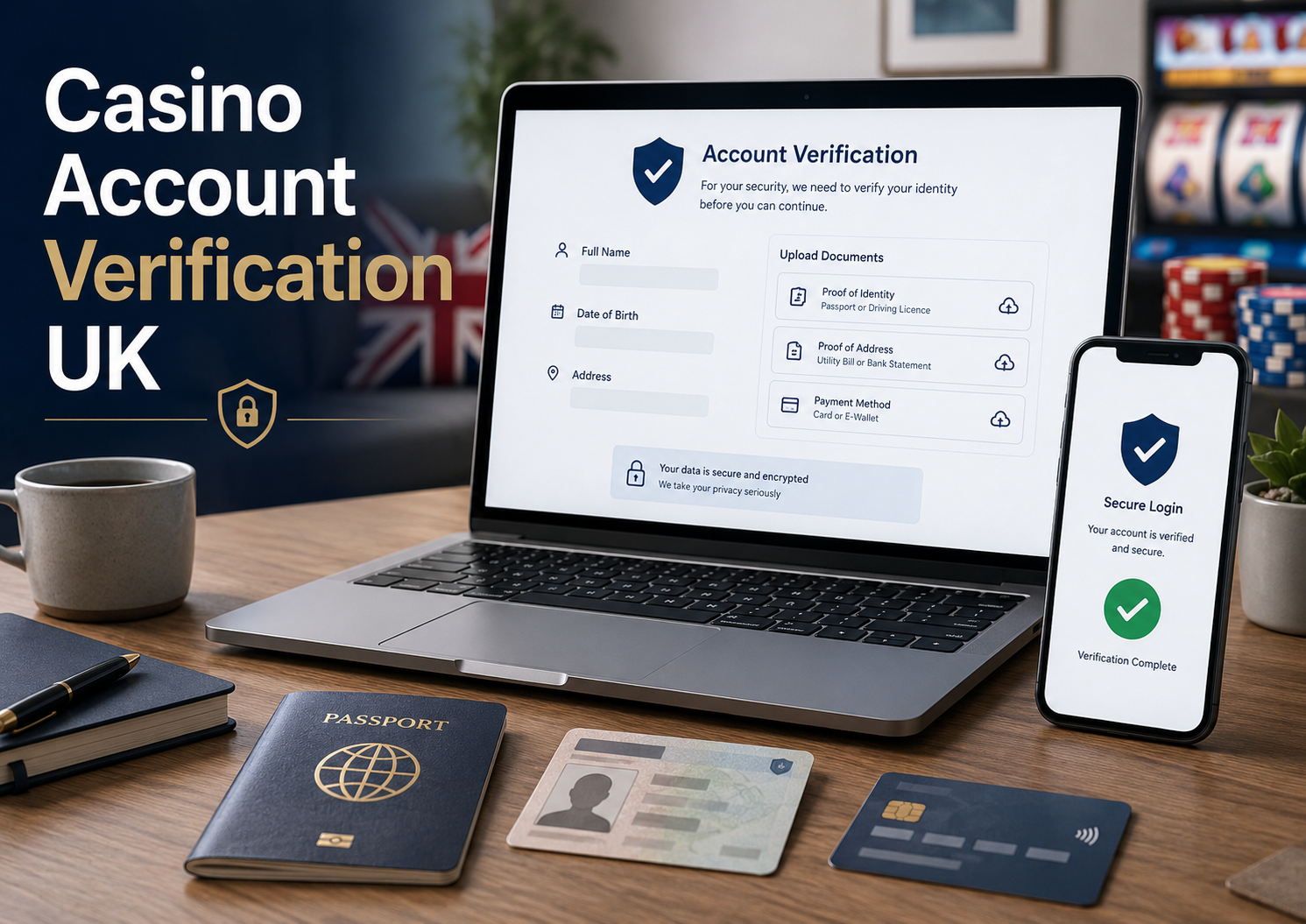
Casino account verification is boring. There is no nice way to dress it up. When I review a casino, this is

Did you know that more than 60% of UK players hold free spins as their favourite casino perk? Not deposit

Picture this: You. A brand-new casino. And a sudden “100 free spins” offer flashing like a neon sign. What do
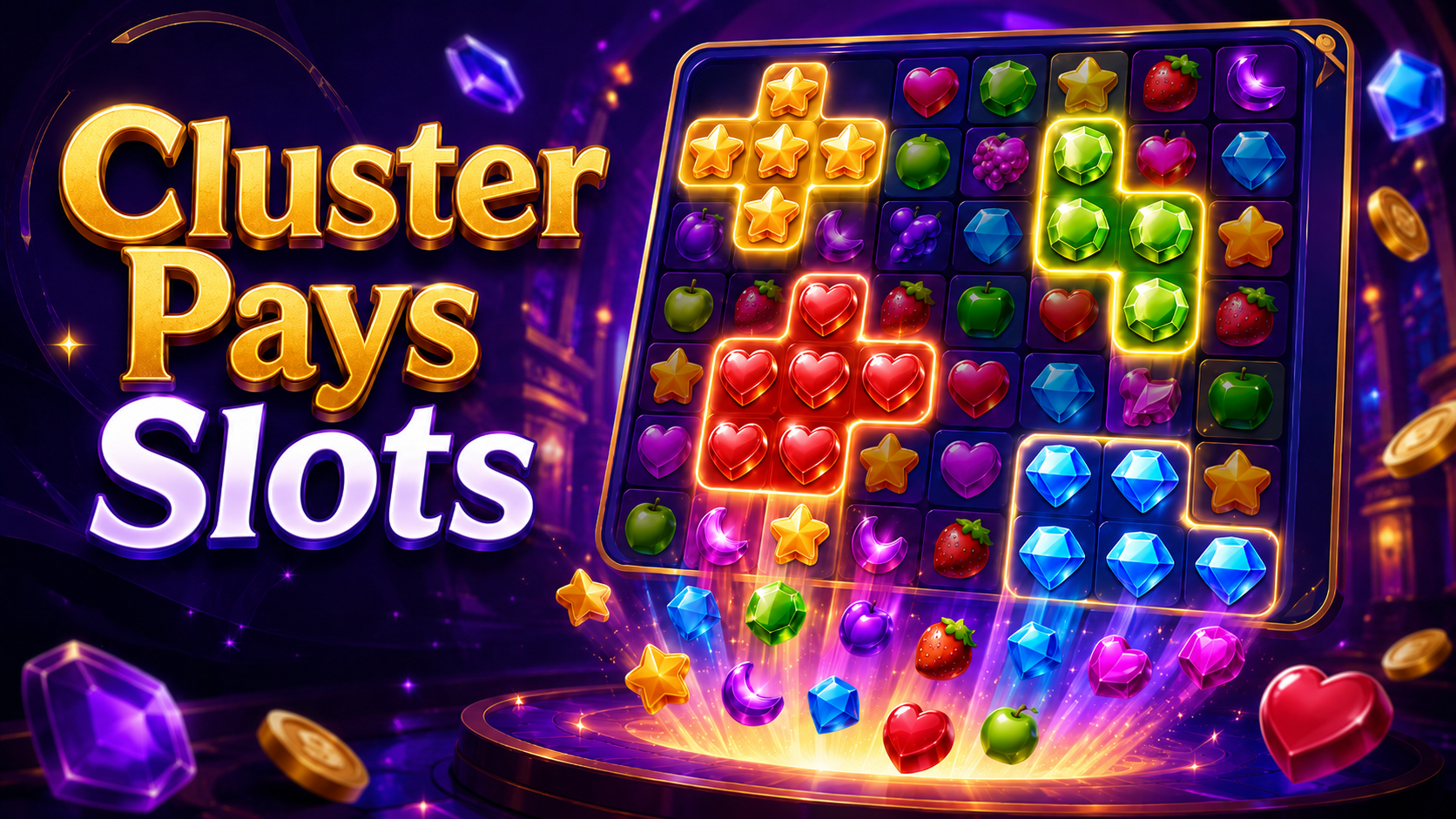
Cluster pays slots are the ones I open when I’m bored of normal paylines. Not because they’re automatically better. They’re not.

- Casino Bankroll Management - May 31, 2025